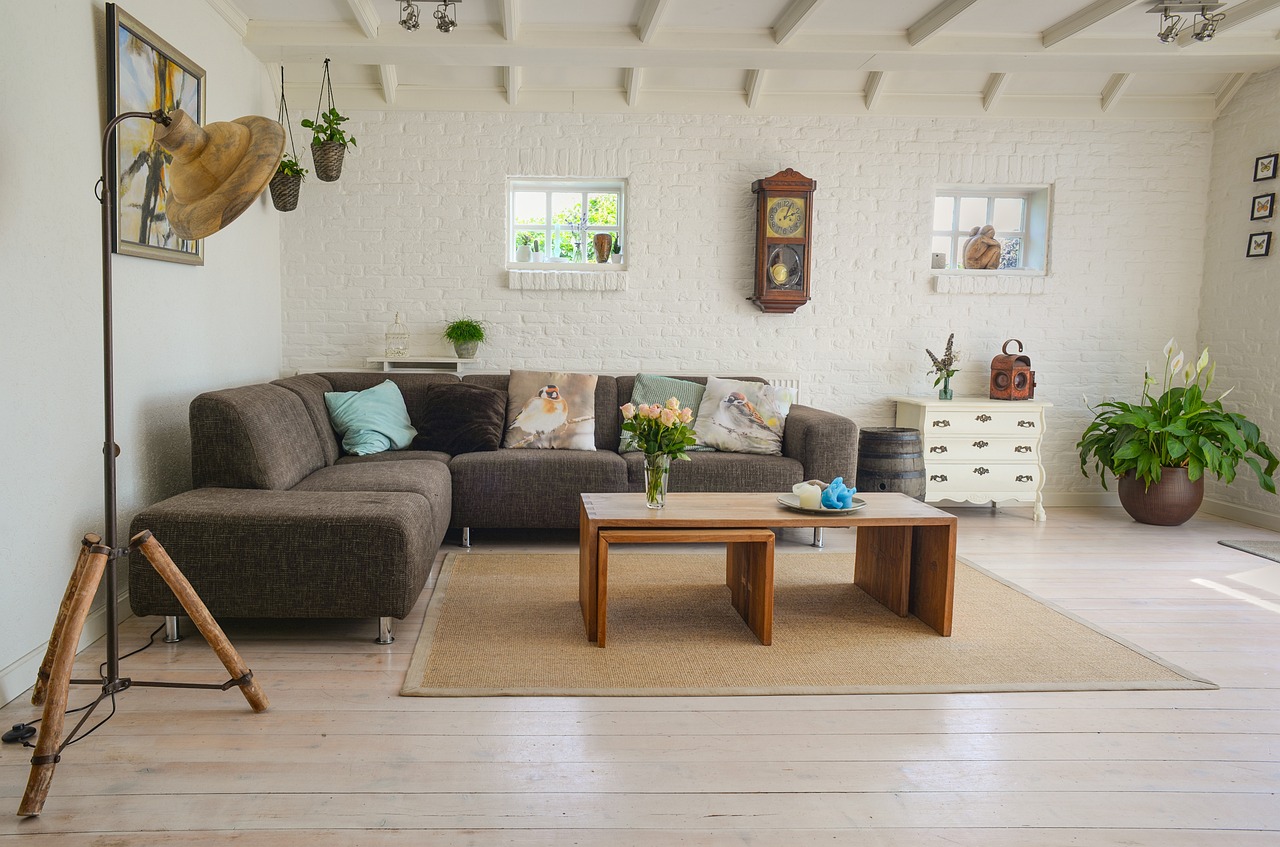
Modern interior design is shifting focus toward wellness and sustainability. Integrating a living plant into your home is no longer just an aesthetic afterthought; it is a fundamental design principle. Incorporating nature into our everyday surroundings directly affects our cognitive function, reduces stress, and purifies indoor air. Whether you want to revitalize a spacious living room or elevate a quiet home office, strategic plant decoration bridges the gap between structured architecture and organic beauty.
The Science and Style of Biophilic Design
Biophilic design—the practice of connecting human environments to the natural world—has moved from a niche concept to a mainstream interior design necessity. Research highlights that indoor environments rich in natural elements can boost productivity by up to 15% and significantly improve mental well-being.
By carefully selecting and positioning foliage, you do more than fill an empty corner; you establish a sensory connection to the outdoors. The texture of leaves, the varying shades of green, and the organic shapes contrast beautifully with the sharp angles of modern furniture.
Transforming the Living Room with Greenery
As the social hub of the home, the living room serves as the perfect canvas for plant decoration. When styling this space, scale and lighting are your most critical considerations.
Statement Plants for Immediate Visual Impact
For spacious living areas, a single, large-scale plant can serve as a stunning focal point, replacing traditional sculptural elements.
- Fiddle Leaf Fig (Ficus lyrata): Known for its dramatic, leather-like leaves, it adds height and architectural structure to modern spaces.
- Monstera Deliciosa: Its iconic split leaves introduce a tropical, mid-century modern aesthetic.
- Bird of Paradise (Strelitzia): Perfect for high-ceilinged rooms, bringing a dramatic flair and lush greenery.
Subtle Accents for Shelves and Coffee Tables
If floor space is limited, smaller botanical accents can still introduce the essence of nature without cluttering the room.
- Pothos (Epipremnum aureum): Perfect for cascading down bookshelves or mantelpieces.
- ZZ Plant (Zamioculcas zamiifolia): Highly resilient, thrives in low-light corners, and features glossy, structural leaves.
Professional Styling Principles for Plant Decoration
To achieve a curated, cohesive look rather than an overgrown greenhouse effect, apply these fundamental design principles:
- Vary the Heights: Avoid placing all your pots on the floor. Use wooden or metal plant stands, hang trailing varieties from the ceiling, and place smaller containers on side tables.
- Select Cohesive Planters: The vessel is just as important as the plant itself. For a professional, high-end finish, choose planters that complement your room’s color palette. Matte ceramics, terracotta, and brushed metallics are excellent choices.
- Group in Odd Numbers: In styling, the “rule of threes” is a tried-and-true method. Grouping three plants of varying heights and leaf textures creates a balanced, visually engaging composition.
Elevating Your Home’s Aesthetic
Embracing plant-centric home decor is an investment in both your property’s aesthetic value and your personal well-being. By thoughtfully curating your selection of greenery, understanding light requirements, and matching planters to your existing interior theme, you can seamlessly blend nature with modern luxury. Start small, select resilient species, and watch your living spaces transform into vibrant, restorative sanctuaries.
You may also like our Handwritten YouTube Vidoe’s Click Here.
You may also like our Handmade Crafts and Gifts Shop Now.