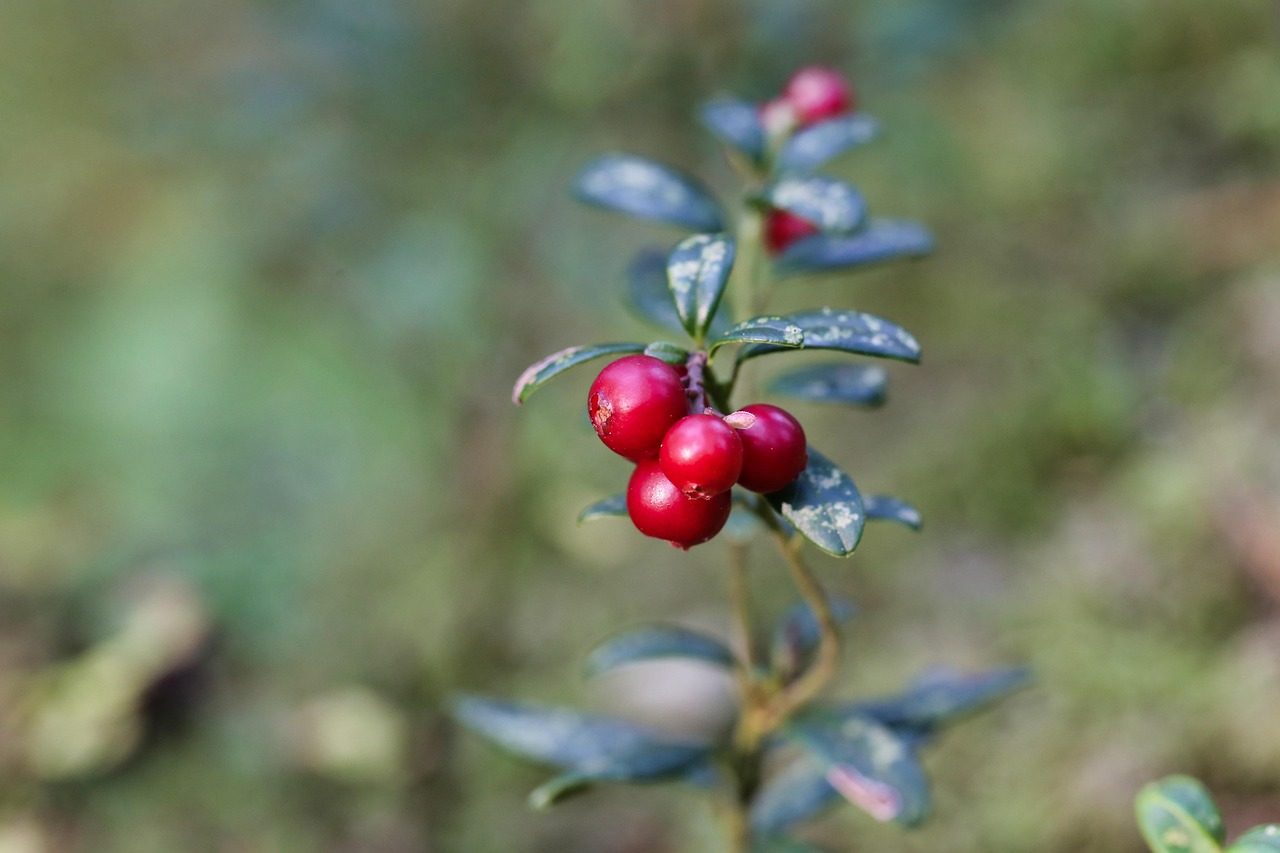
While most people associate the cranberry with holiday feasts and juices, this resilient crop boasts a fascinating botanical blueprint. The cranberry plant is a master of adaptation, thriving in acidic, nutrient-poor environments where most other plants would perish. Understanding its unique anatomy, growth habits, and cultivation dynamics reveals why this North American native remains one of the most commercially and ecologically significant fruit crops.
Botanical Classification and Taxonomy
Scientifically known as *Vaccinium macrocarpon*, the American cranberry is a low-growing, trailing evergreen dwarf shrub. It belongs to the Ericaceae (heath) family, sharing a lineage with blueberries, huckleberries, and rhododendrons. Within the genus *Vaccinium*, cranberries are classified under the subgenus *Oxycoccus*, a name derived from the Greek words ‘oxys’ (acidic/sharp) and ‘kokkos’ (berry), referencing the fruit’s characteristic tartness.
While *Vaccinium macrocarpon* is the primary species cultivated commercially, other notable species include:
- Vaccinium oxycoccos (Small Cranberry): Common across northern Europe and Asia, featuring smaller leaves and berries.
- Vaccinium vitis-idaea (Lingonberry/Cowberry): Often confused with cranberries, though botanically distinct and growing upright rather than on trailing vines.
The Anatomy of a Cranberry Plant
The physical structure of the cranberry plant is highly specialized to endure harsh, waterlogged winters and nutrient-deprived soils.
Trailing Vines and Uprights
The plant grows via a network of woody runners (vines) that can stretch up to 6 feet in length. These runners form a dense mat over the soil surface. From these runners, short, vertical branches called ‘uprights’ emerge. These uprights, typically 3 to 8 inches tall, are where the flowers and fruit develop.
Leaf Structure and Evergreen Nature
The leaves of the cranberry plant are small, oblong, and leathery. They feature a waxy cuticle layer that minimizes water loss and protects against pathogens. As an evergreen, the plant retains its leaves year-round. Interestingly, as winter approaches and temperatures drop, the leaves transition from a glossy green to a deep bronze-red color, entering a period of winter dormancy.
The Root System and Mycorrhizae
Perhaps the most unusual aspect of cranberry anatomy is its root system. Cranberry plants possess fine, fibrous roots that lack root hairs—the primary structures most plants use to absorb water and nutrients. To overcome this limitation, cranberries form a symbiotic relationship with ericoid mycorrhizal fungi. These fungi colonize the root cells, expanding the plant’s surface area to efficiently extract nitrogen and phosphorus from acidic, peat-rich soils.
Flowers and Pollination
In late spring, the uprights produce delicate, pinkish-white flowers. The petals curve backward, exposing the central style and stamens. This distinctive shape resembles the head and bill of a crane, which led early European settlers to name the plant ‘crane-berry’—eventually shortened to cranberry. Pollination is primarily insect-driven, relying heavily on bumblebees and honeybees to facilitate fruit set.
Environmental Requirements and Cultivation Dynamics
The cranberry plant is highly selective regarding its habitat. It thrives in unique wetlands known as bogs or mires, which are characterized by specific geological and chemical conditions.
- Soil pH: Cranberries require highly acidic soils, ideally with a pH range between 4.0 and 5.5.
- Substrate Composition: Successful bogs are constructed using alternating layers of peat, sand, and gravel. The sand helps suppress weeds and provides a clean medium for vine rooting.
- Chilling Hours: To break dormancy and trigger uniform bud break in the spring, the cranberry plant requires a cold dormancy period, typically between 1,000 to 1,400 hours of temperatures between 32°F and 45°F (0°C to 7°C).
The Harvest Myth: Dry vs. Wet Beds
A common misconception is that cranberries grow directly in water. In reality, they are terrestrial plants grown in dry, sandy beds. Water management is used strategically throughout the season:
- Wet Harvesting: In autumn, growers flood the beds with water. Mechanical harvesters (water wheels) stir the water to loosen the berries. Because cranberries contain four internal air pockets, they float to the surface, where they are corralled and pumped into trucks. This method is used for 90% of commercial cranberries destined for processing.
- Dry Harvesting: Fresh market cranberries are harvested using dry mechanical pickers that gently comb the berries from the vines. This preserves the fruit’s structural integrity and shelf life.
Conclusion and Key Takeaways
The cranberry plant is far more than a simple agricultural commodity; it is a botanical marvel. Its ability to navigate acidic peat soils, form fungal symbioses, and utilize internal air chambers for water harvesting highlights its incredible evolutionary design. For horticulturists and consumers alike, understanding the intricate botany of *Vaccinium macrocarpon* deepens our appreciation for this resilient, native crop.
You may also like our Handwritten YouTube Vidoe’s Click Here.
You may also like our Handmade Crafts and Gifts Shop Now.