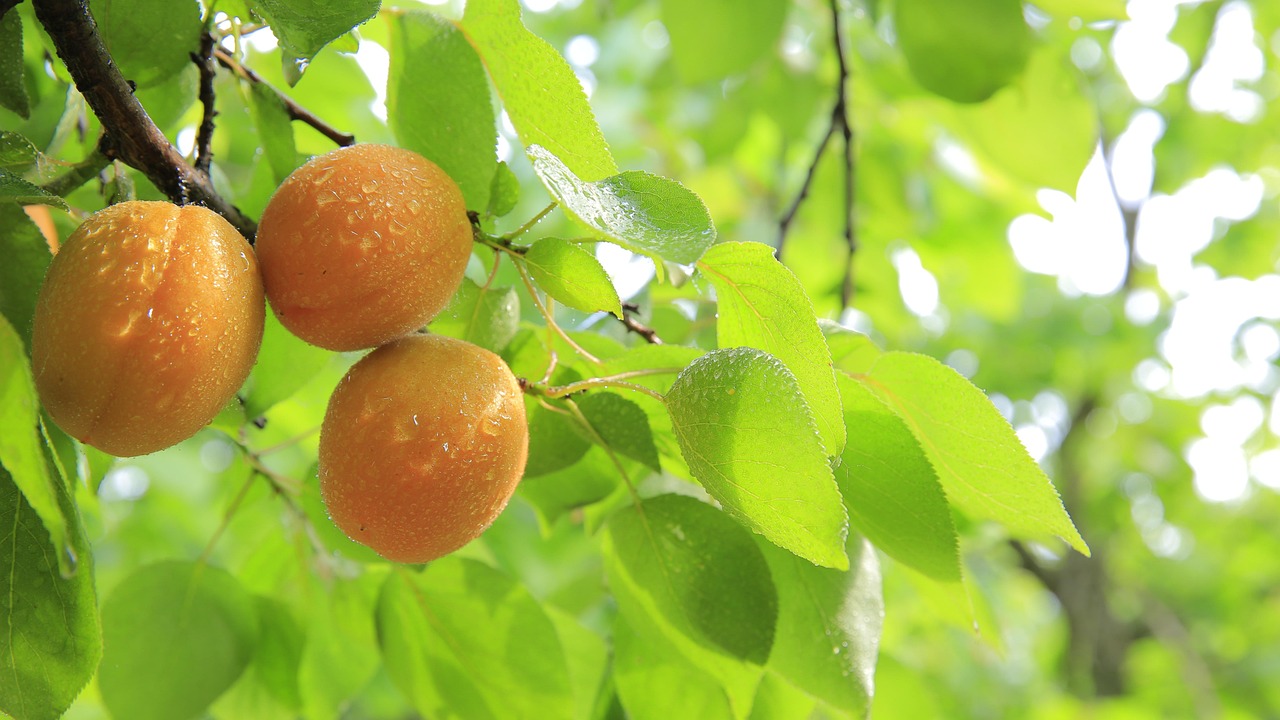
Apricots are small, golden-orange fruits known for their delicate sweetness, pleasant aroma, and soft texture. They are enjoyed fresh during their growing season and are also commonly found in dried form throughout the year. Although apricots are often appreciated simply as a tasty fruit, they also have an interesting botanical history and have been cultivated for centuries.
Their warm color and naturally sweet flavor make apricots a popular addition to everyday meals and snacks. From a fresh apricot eaten on its own to dried apricots added to breakfast bowls, these fruits offer a simple way to enjoy the variety found in nature.
Botanical Insights About Apricots
Before looking at the fruit itself, it is interesting to understand where apricots belong in the plant world.
- Common Name: Apricot
- Botanical Name: Prunus armeniaca
- Family: Rosaceae
- Plant Type: Deciduous fruit tree
- Order: Rosales
- Genus: Prunus
- Kingdom: Plantae
Apricot trees lose their leaves during part of the year and produce attractive blossoms before the fruit develops. The flowers are usually white to pale pink, creating a beautiful display in orchards during the flowering season.

What Do Apricots Look Like?
A ripe apricot is usually round or slightly oval, with smooth, velvety skin. Its color can range from yellow to golden orange, sometimes with a reddish blush on one side. Inside, the flesh is soft and juicy when ripe, surrounding a single hard stone.
The flavor of a fresh apricot is generally sweet with a gentle tartness. The balance between sweetness and acidity gives the fruit its distinctive taste.
Dried apricots look quite different from fresh ones. They become darker and more wrinkled as their moisture is removed, while their natural sweetness becomes more concentrated.
Fresh Apricots and Dried Apricots
Both fresh and dried apricots are enjoyed in different ways.
Fresh apricots are particularly pleasant during their natural season. They can be eaten as they are, sliced into fruit bowls, or included in a variety of dishes.
Dried apricots are convenient because they can be stored for longer periods. They are often enjoyed as a snack or added to breakfast cereals, oatmeal, trail mixes, and other foods.
Because dried fruit contains much less water than fresh fruit, a smaller portion contains more concentrated natural sugars and calories. This is one reason dried apricots are usually eaten in smaller quantities.
A Fruit with an Interesting History
The history of apricots stretches back many centuries. Their exact early origin has been discussed by historians and botanists, but apricots have long been associated with regions of Central and East Asia before spreading to other parts of the world.
Over time, cultivation expanded into areas with suitable climates, including parts of Europe, the Middle East, and the Mediterranean. Today, apricots are grown in many countries where the climate supports their development.
The fruit’s journey across different cultures is a reminder of how plants have travelled alongside people, agriculture, trade, and exploration.
Apricots in Everyday Food
Apricots can fit naturally into many types of meals. Fresh fruit can add color and sweetness to a breakfast plate or fruit salad. Dried apricots are easy to carry and can be kept as a convenient snack.
They are also used in jams, preserves, desserts, baked foods, and various traditional dishes. In some cuisines, apricots are combined with nuts, grains, spices, or savory ingredients to create a balance of flavors.
Their versatility is one of the reasons this small fruit continues to be appreciated around the world.
Choosing and Storing Apricots
When selecting fresh apricots, look for fruit with a pleasant aroma and reasonably firm but slightly yielding flesh. Very hard fruit may need additional time to ripen.
Fresh apricots are delicate, so they should be handled carefully to avoid bruising. Once ripe, they can be enjoyed promptly or stored appropriately to help maintain their quality.
Dried apricots should be kept in a cool, dry place and protected from excessive moisture. Always check the packaging for storage instructions, especially after opening.
The Simple Beauty of Apricots
Apricots are a good example of how an ordinary-looking fruit can have a fascinating story behind it. From the blossoms of the apricot tree to the golden fruit that eventually develops, every stage reflects the natural cycle of growth.
Whether enjoyed fresh in season or dried for convenience, apricots bring a combination of sweetness, color, and history to the table. Their long relationship with human cultivation also shows how fruits have become part of food traditions across different regions and generations.
Sometimes, appreciating a fruit does not require anything complicated. Simply learning where it comes from, how it grows, and how people have enjoyed it over time can make an everyday food a little more interesting.

You may also like our Handwritten YouTube Vidoe’s Click Here.
You may also like our Handmade Crafts and Gifts Shop Now.